Easy Daily Movement Habits for Busy Schedules
2025-12-18
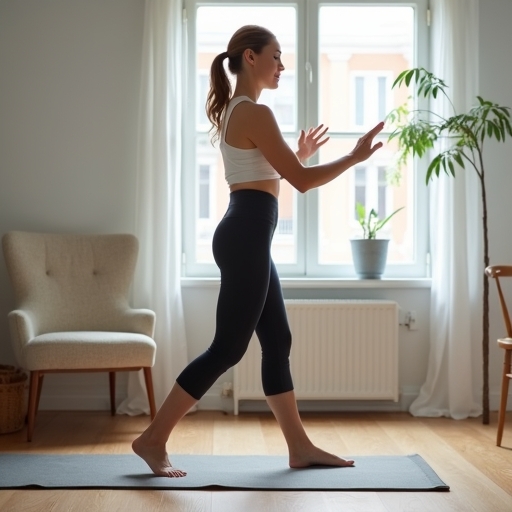
Finding time to move can feel like a challenge when your days are packed from morning until night. Work commitments, family responsibilities, and errands often fill every spare minute, leaving little room for traditional exercise routines. However, staying active doesn’t have to mean setting aside an hour for the gym or going for long runs. There are simple and effective ways to incorporate movement into your everyday life, even when your schedule feels overwhelmingly busy.
One of the easiest ways to add movement is to rethink how you approach your daily activities. Instead of sitting down while chatting on the phone, try standing up and walking around the room or pacing gently. These small steps keep you moving without interrupting your tasks. If you find yourself caught up in long stretches of sitting—whether at a desk, in a car, or during meetings—taking brief moments to stand and stretch can be refreshing and help you feel more alert.
Another practical habit is to use everyday errands as opportunities for movement. Parking a little farther from the entrance when you go to the store can add a few more steps to your day. Choosing to walk part of the way during your commute or opting for the stairs instead of the elevator are simple shifts that accumulate over time. These little decisions don’t require extra time but create space for gentle movement naturally woven into your routine.
At home, engaging in household tasks can be a form of light activity that keeps your body moving. Whether it’s tidying up, washing dishes, or folding laundry, these chores encourage standing, bending, and reaching. Playing your favorite music while doing these tasks can also make them more enjoyable and inspire you to move more energetically. By thinking of these moments as chances to be active, you transform routine work into something that benefits your overall well-being.
For those moments when you have a few free minutes, engaging in short bursts of movement can be particularly helpful. Simple stretches, gentle yoga poses, or even a few steps on the spot can revive your energy. These small practices can easily fit between tasks or during breaks and help reset your body and mind. Over time, these brief intervals can add up and become a meaningful part of your daily rhythm.
If your work involves long hours at a desk, consider rearranging your workspace to encourage movement. A standing desk or a balance ball chair can promote different postures and reduce time spent sitting. Setting gentle reminders to stand or move every hour can support the habit of regular motion without feeling intrusive. When possible, turning meetings into walking conversations or taking phone calls on your feet can introduce variety and prevent stiffness.
Engaging in movement with others is another way to stay motivated and make the experience more enjoyable. Walking with a friend or family member, even briefly, fosters connection while inviting activity. When schedules are tight, coordinating short walks or gentle stretches together can be a meaningful addition that supports both physical and social well-being. Sharing these moments can also create accountability, gently encouraging each other to keep moving.
Incorporating movement into your bedtime routine can also be calming and beneficial. Gentle stretches or slow, mindful breathing while moving can invite relaxation and prepare your body for rest. This incorporation of movement doesn’t need to be vigorous but rather focuses on smooth, soothing motions that feel good after a busy day. Such a routine can become a peaceful transition between the busyness of the day and restful sleep.
It is important to honor your body’s signals and choose movement that feels good rather than pushing too hard, especially on particularly busy or tiring days. Easy daily movement habits don’t aim for intensity but for consistency and kindness to yourself. When you meet your body with gentle care, you create a sustainable rhythm that enriches your daily life rather than adding pressure.
In summary, movement doesn’t require extra time carved out of your day but can be woven gently into the fabric of your routines. By standing while talking, choosing the stairs, engaging in household tasks, taking brief breaks for stretching, or walking with others, you can nurture your body’s need for activity with ease. These habits allow movement to become a natural, enjoyable part of your life even when time feels limited. Embracing small steps in motion can cultivate a sense of calm and presence, supporting your well-being through the flow of each busy day.