Movement Ideas That Fit Into Everyday Life
2026-01-23
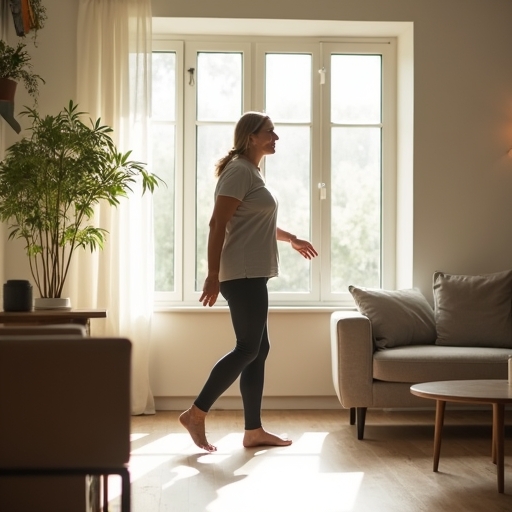
Finding ways to incorporate movement into your daily routine doesn’t have to mean changing your entire schedule or committing to long workouts. Movement is simply about keeping your body active and engaged in a way that feels natural and enjoyable. With a little creativity, you can weave movement seamlessly into the moments that make up your day, bringing a bit of energy, relaxation, and freshness without any pressure or added time commitments.
One way to invite movement into everyday life is to think about the small choices you make each day. For instance, when you are preparing meals, consider using the time while something is cooking as an opportunity to stretch your arms, bend gently to the floor, or walk around the kitchen. These brief moments can add up, encouraging flexibility and keeping your blood flowing. Simple gestures like standing up instead of sitting when on calls, pacing while talking on the phone, or choosing to take the stairs instead of the elevator are all ways you can move more frequently throughout your day.
In daily routines like commuting, there’s room for movement as well. If possible, consider parking a little farther from your destination so you can enjoy a short walk. If you use public transportation, try getting off a stop early and walking the rest of the way. These small changes create moments of light activity that feel more like natural transitions rather than forced exercise. Even on days when you are busy or tired, a little walking might bring a refreshing change to your mind and body.
Around the house, there are still plenty of chances to encourage movement. Tasks like tidying up, doing laundry, or watering plants invite you to stand, bend, and stretch in ways that keep you moving without thinking too hard about it. Activities like dancing while folding clothes or playing music while cleaning can turn these chores into enjoyable movement sessions. When watching TV or spending downtime, try incorporating some gentle stretches or sitting and standing from a chair a few times to keep your muscles engaged and your circulation active.
At work, movement can also find its place. Taking a few moments every hour to stand up, stretch your legs, or walk around the room helps break up long periods of sitting. If your workspace allows, try rearranging your setup to encourage standing or moving more freely. Even brief pauses to roll your shoulders, gently twist your spine, or reach your arms overhead can refresh your body and clear your mind for the tasks ahead. These types of movement breaks are not just good for physical ease but can help maintain focus and balance throughout the day.
Integrating movement into social time is another way to stay active without it feeling like a chore. Instead of always meeting friends for coffee or sitting at a restaurant, consider inviting them for a walk in the park or a casual stroll through a nearby neighborhood. Moving together in a relaxed setting can make socializing even more enjoyable and give both your body and your mind a pleasant boost. Activities like playing with children, walking the dog, or engaging in light gardening also combine connection and movement in delightful ways.
When it comes to evenings, there are gentle movements that can help unwind and prepare for restful sleep. Practices like slow stretching, mindful breathing combined with gentle motions, or simply wandering around your home with calm intention can soothe both body and mind after a busy day. Moving in a slow, thoughtful way helps transition from the busy pace of the day to a restful night and highlights that movement can also be a form of relaxation and self-care.
The beauty of fitting movement into everyday life is that it doesn’t require special equipment or a big time investment. You don’t need to dedicate an hour at the gym or follow a strict routine. Instead, it’s about honoring your body’s desire to move in simple, approachable ways that feel good and work naturally with your lifestyle. Listening to how your body feels and responding with movement that brings comfort and ease encourages a healthy relationship with activity.
Incorporating movement into daily life can also help create a rhythm that feels less like a task and more like a habit built from small, enjoyable moments. Over time, these moments add up, contributing to a greater sense of vitality and well-being. The key is to be gentle with yourself, noticing what kinds of movement feel right on any given day and inviting those experiences into your life with kindness and curiosity.
Movement is as varied and unique as each day and each person. There are no rules about how much to move or what kind of movements you should choose. It could be something as simple as stretching your arms over your head while sitting at your desk or as playful as spinning around in your living room. The goal is to find joy in these motions, letting them become a natural part of your day that supports your overall sense of balance and ease.
As you explore different ways to bring movement into your routine, you may find that being active helps you feel more present and connected with your day. The simple act of moving frequently, even for short moments, can help awaken your senses and offer a chance to pause and breathe in the busyness of everyday life. Movement, when woven gently into the fabric of daily living, becomes a source of calm energy and grounding, reminding you of the natural rhythm within your days.