Simple Ways to Stay Mobile Throughout the Day
2026-01-29
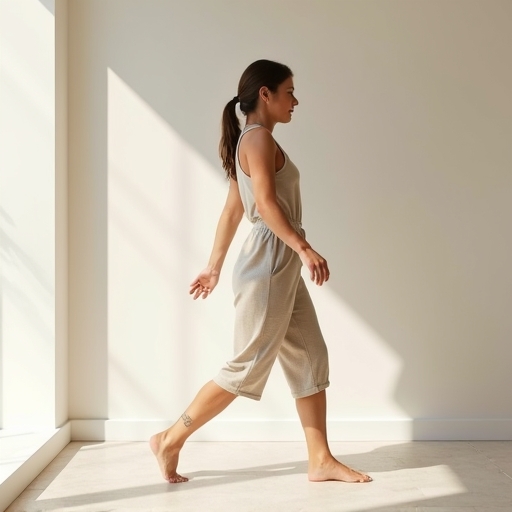
In the flow of daily routines, it can be easy to find yourself sitting for long stretches, feeling stiff or sluggish. Staying mobile throughout the day doesn't have to be complicated or require special equipment. Simple habits and small adjustments can make a big difference in how you feel physically and mentally. Moving regularly keeps your body feeling alive, helps maintain flexibility, and can even boost your mood. The key is to find easy, natural ways to incorporate gentle motion into your everyday life without any pressure or rush.
One of the simplest ways to keep moving is by being mindful of how often you are sitting still. When you notice you’ve been seated for a while, try standing up and stretching your arms overhead or reaching gently toward your toes. Even a short break of standing or a few steps across the room can refresh your body and reset your mindset. You don’t need to carve out a special time for movement; just take advantage of little pauses throughout the day. For example, standing while talking on the phone or walking to another room to get a glass of water counts as movement and helps avoid stiffness.
Another easy approach is to find opportunities to walk more. Instead of relying on technology or shortcuts for every small task, consider using your feet a bit more. Walking to a nearby store, choosing stairs over elevators when you can, or just pacing gently while thinking can add up in subtle but meaningful ways. You might find that simply moving your legs more often helps you feel more energized and connected to your surroundings. When the movement feels natural and enjoyable, it becomes easier to keep it up without noticing the effort.
Incorporating gentle stretching into your day is another way to stay mobile without taking up much time or space. Stretching doesn’t have to be a formal routine; it’s about listening to your body and giving it a chance to open up and lengthen. When you stretch, focus on areas that tend to feel tight after sitting or standing in one position too long, such as your neck, shoulders, or lower back. Stretch slowly and breathe deeply, enjoying the sense of release and the way your muscles respond to gentle movement. You might find that a few stretches before breakfast or before bed help you feel more flexible and calm.
If you spend a lot of time working at a desk, making little adjustments can encourage more frequent movement. Standing desks or adjustable workstations can let you switch between sitting and standing, changing the position of your body throughout the day. Even if a standing desk isn’t an option, try to stand up with intent every hour. Use those moments to do a quick stretch, walk to the water cooler, or simply stand by a window and take a few deep breaths. These breaks help prevent stagnation and remind your body to stay active.
Regular movement doesn’t have to be intense or exhausting. It can be as simple as gentle yoga poses, slow dance movements to your favorite music, or light household chores that keep you on your feet. The important part is to listen to what feels good in your body and to move consistently rather than in occasional bursts. Keeping your body gently active throughout the day supports your natural rhythm and invites a sense of ease and balance.
Environmental changes can encourage more movement too. Arranging your living or working space so that things you use often are a little further away forces you to get up more frequently. Setting your phone or timer to remind you to stand and move every so often is another unobtrusive way to break up long periods of inactivity. When movement becomes a regular part of your routine, it becomes less of a chore and more a source of lightness and well-being.
It can be helpful to approach mobility not as a task but as an opportunity to connect with your body. Notice the sensations as you stretch an arm or take a few steps across the room. Appreciate the small shifts and changes that movement brings—perhaps a loosening of tension or a boost of energy. These moments invite mindfulness and presence, adding not only to your physical comfort but also supporting a gentle mental refresh.
Above all, staying mobile throughout the day is about creating gentle habits that feel natural and enjoyable. It’s less about pushing yourself and more about honoring the need for movement that every body has. Whether it’s rising to stretch during a break, choosing to walk a little more, or simply standing while waiting, each small step brings benefits that go beyond the physical. They foster a sense of flow and ease that can touch many parts of your life.
Remember, mobility isn’t measured by speed or distance. It’s about the simple, ongoing act of moving your body in ways that feel good. Slow and steady motion can transform how you experience the day, helping you feel more open, energized, and connected from morning to night. By embracing these gentle reminders to move, you gift yourself moments of ease and vitality that enhance your overall sense of well-being.