How Nature Gently Supports Our Daily Recovery
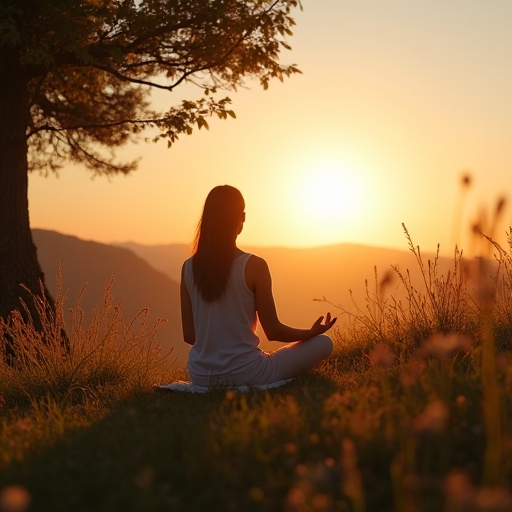
In the gentle unfolding of everyday life, moments of pause and restoration are essential to maintaining a sense of balance and calm. While busy schedules and constant demands often invite a hurried pace, nature quietly offers a sanctuary for slowing down and embracing a rhythm that nurtures recovery. This daily renewal isn’t always about drastic changes but rather about subtle experiences that ease the mind and body, inviting a gentle reset amid the noise of modern living.
Spending time in natural surroundings allows for a kind of restoration that is both simple and profound. There’s an inherent softness to the environment—the rustling of leaves, the steady whisper of a breeze, or the warm touch of sunlight across the skin—that soothes without effort. These moments serve to reduce the constant stimulation that comes from screens, city sounds, and the relentless flurry of activity. In nature, the senses can rest; the eyes are offered horizons rather than tight, artificial spaces, and the ears are met with organic rhythms instead of mechanical clamor.
This slowing down naturally cultivates a broader perspective. When immersed in a natural setting, whether it’s a quiet park, a stretch of coastline, or a shady forest path, there is less focus on the immediate tasks or worries that usually occupy the mind. Instead, attention turns outward and inward in a gentle balance. The pace of the environment encourages us to breathe more deeply and move more thoughtfully. Time seems to stretch in this space, inviting an unhurried engagement that fosters a sense of ease.
The comfort brought by nature is not only physical but also emotional. There’s a familiar steadiness in the natural world—a sun that rises and sets with quiet certainty, the seasons that turn with an assured rhythm—that can feel reassuring amidst life’s unpredictabilities. This steadiness cultivates a feeling of safety, where individual worries can soften and fatigue may be laid down, even if only for a short time. The process of recovery becomes less about “doing” and more about “being,” a subtle permission to rest without guilt or pressure.
An often-overlooked aspect of how nature fosters recovery is the way it encourages social connection in a relaxed setting. Shared experiences outdoors can deepen bonds without the need for structured interactions or conversations. Simply sitting together by the water’s edge, walking a gentle trail, or watching a sunset side by side creates a space where connection flows naturally. These moments strip away the distractions often found in indoor or technology-driven environments, allowing relationships to unfold with less urgency and more presence.
In addition, nature’s capacity to reduce stimulation supports a kind of sensory recalibration. Urban environments bombard the senses with sharp noises, flashing lights, and a constant influx of information. By contrast, natural settings offer a gentler sensory experience where sounds blend harmoniously and visual elements—trees, sky, water—are easier for the eyes to absorb and appreciate. This contrast allows for quieting mental chatter, helping the mind drift toward a more peaceful state. In this tranquil space, it becomes easier to process the day’s experiences with clarity rather than overwhelm.
The everyday reset afforded by nature is not confined to long retreats or elaborate plans. Even brief encounters, such as stepping outside to feel the breeze or noticing the colors of a blooming flower, invite small but meaningful breaks in the flow of the day. These pauses provide intervals where the accumulated tension of responsibilities has an opportunity to loosen. Over time, these frequent, gentle interruptions build a foundation of recovery that supports overall well-being and fosters resilience.
By integrating the natural world into daily rhythms, we tap into an ancient, intrinsic relationship that nourishes without complication or expectation. Nature meets us where we are, offering a place to rest, recover, and reconnect—whether through quiet reflection alone or shared companionship. It asks only that we slow down enough to notice, allowing the natural movement of life to wash over us and renew our spirits one breath at a time.
In this way, the support that nature provides for daily recovery becomes a quiet companion to life’s unfolding. It holds space for the unhurried process of regaining balance and comfort, gently reminding us that sometimes, the most profound restoration comes not from action or achievement, but from stillness and presence within a natural embrace. As the world continues to spin rapidly, returning regularly to the gentle constancy of the natural world may be one of the simplest and most enduring ways to find daily relief and renewal.
← Back to Home